Browse all posts in the Powerlifting category on Quantum Fitness.
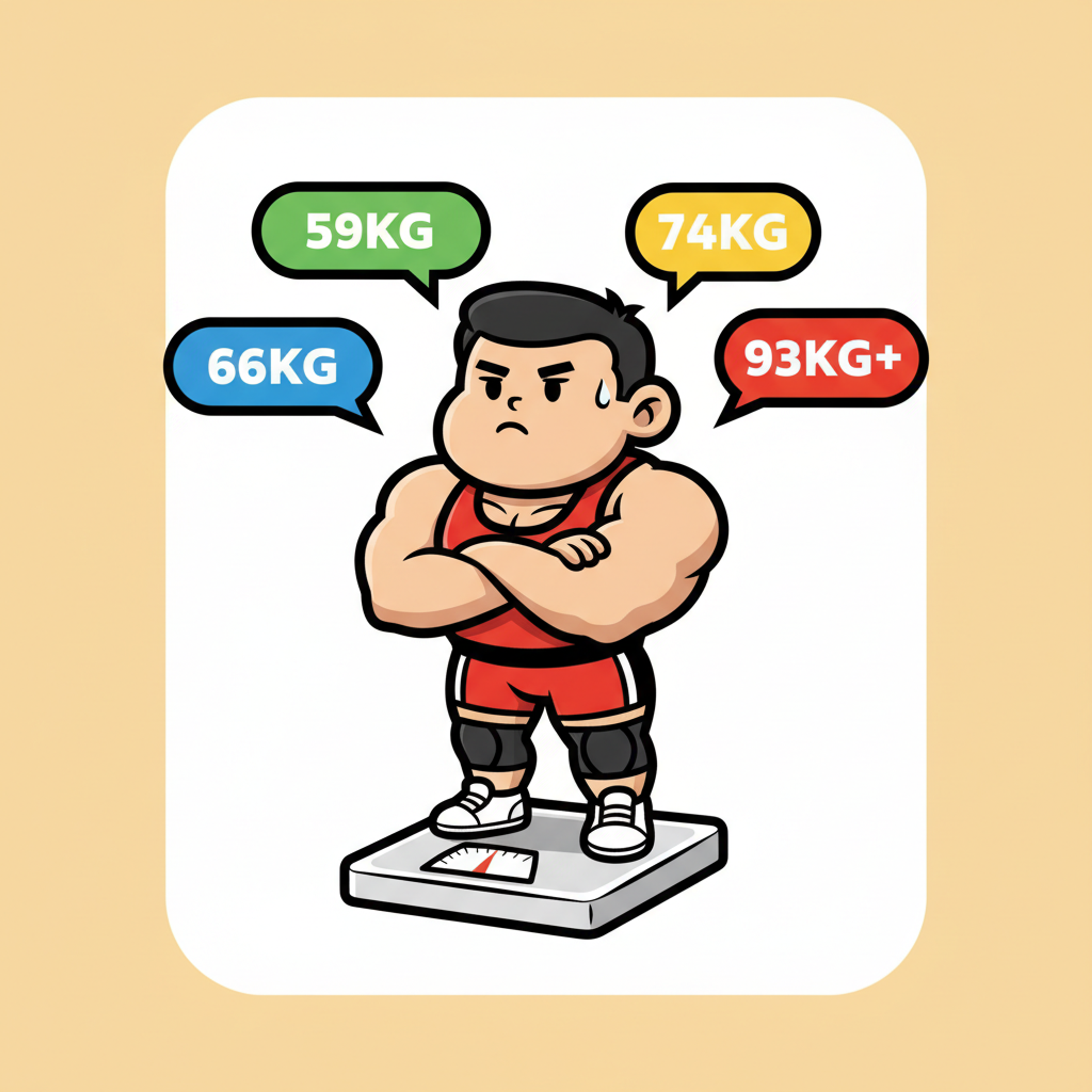
Most first-time powerlifters pick a weight class the same way they pick a shirt size: by their current bodyweight. That is the wrong framework.
Speed work sounds like it's for athletes. You are a powerlifter. You lift heavy things slowly.
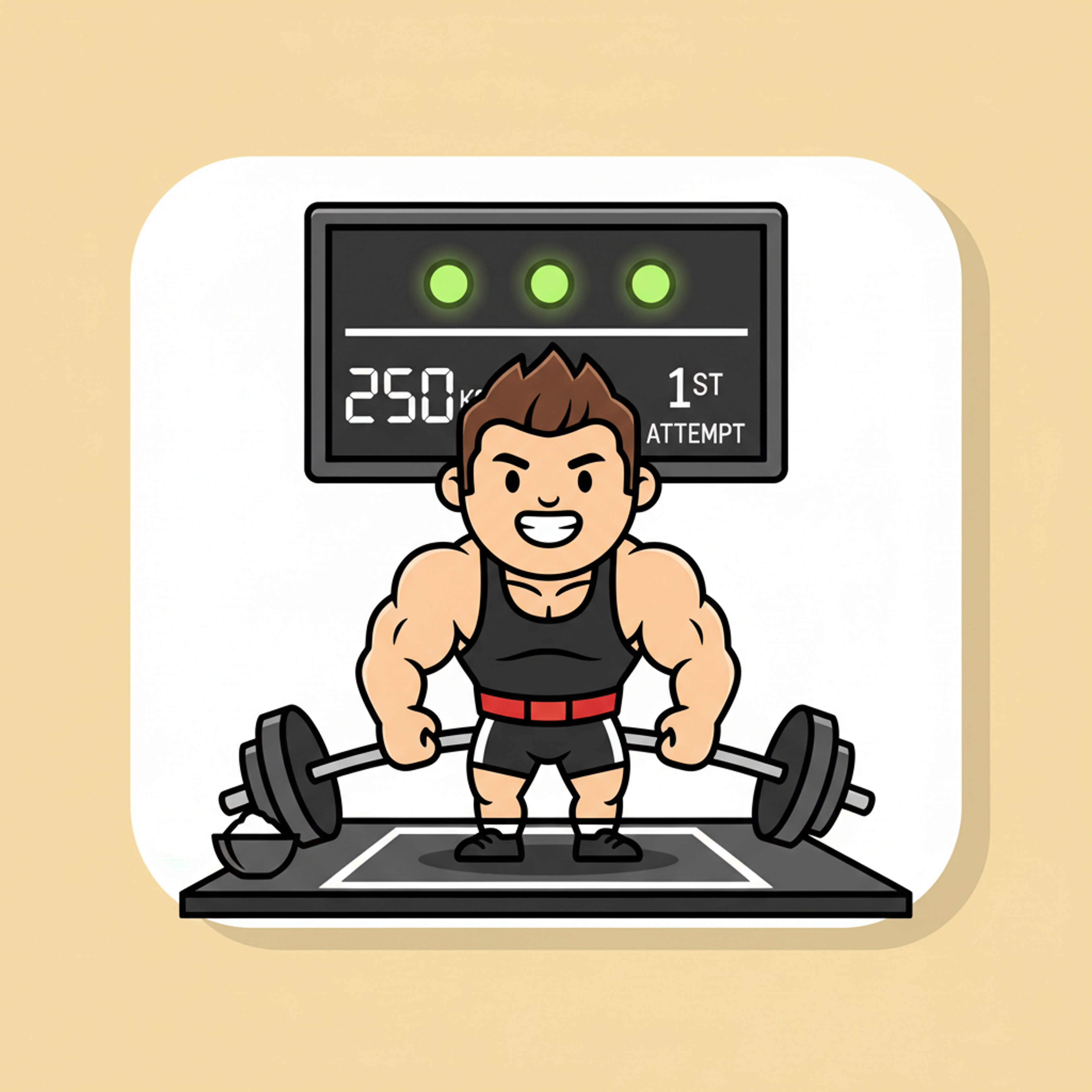
Your opener is the most important lift of the meet. Not your third attempt. Not your all-time PR. The first lift.
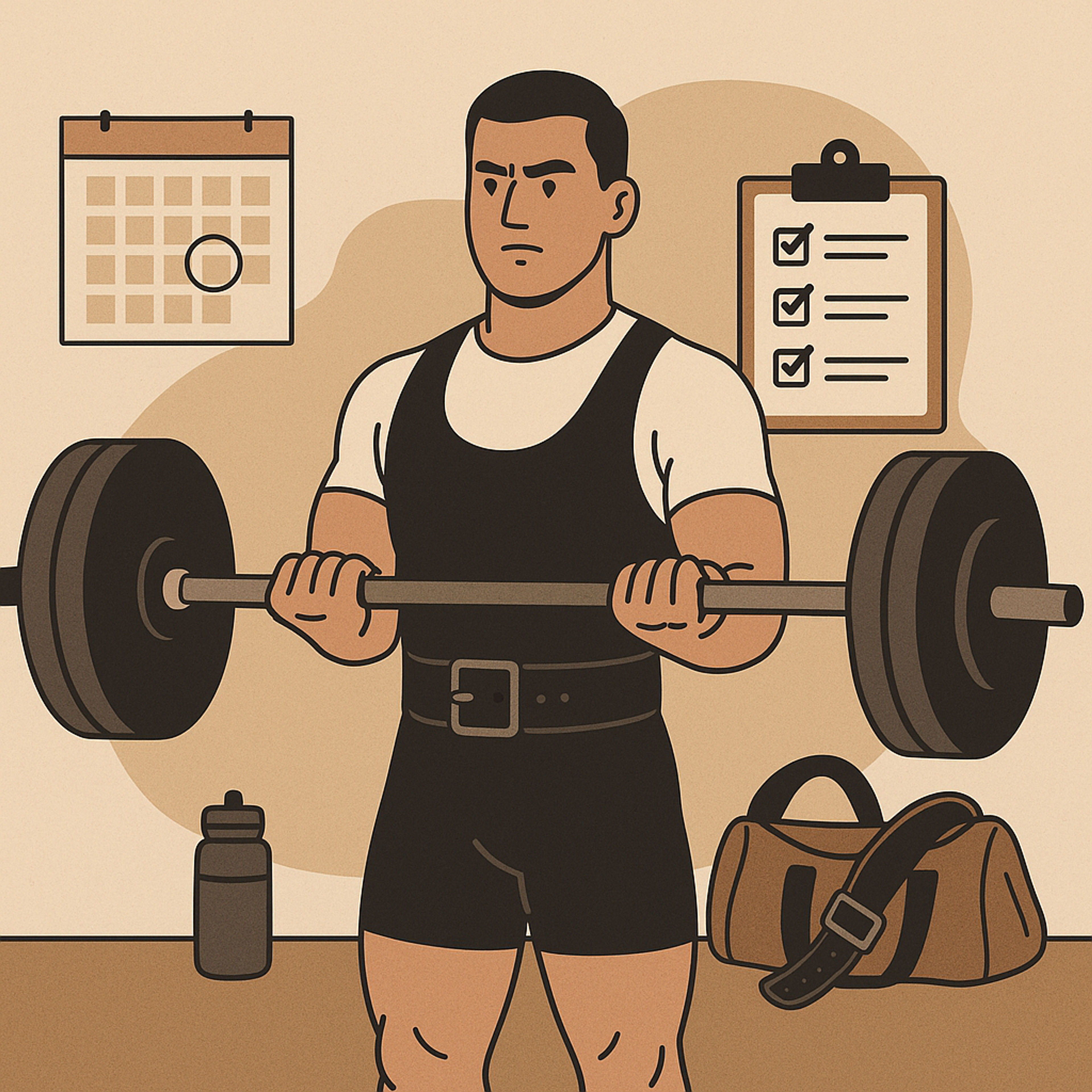
The belt debate produces more heat than light. One camp says never use a belt — you need to build raw core strength first. The other says always wear a belt — protect your spine at all costs.
Yes. Also no. It depends on what you mean by jacked and how you are training.
Breathing during a heavy lift is not instinctive. The instinct — especially under maximal loads — is to hold your breath and hope for the best. That instinct is actually correct. But most people apply
I'd be happy to help rewrite this section for a more professional tone. Here's a revised version:
If you try to get bigger, stronger, and faster all at the same time, you will likely end up small, weak, and slow. This is the Interference Effect.
A spreadsheet cannot feel your hamstrings.
"Good form" is a myth.
Novices thrive on simplicity. Go to the gym, do 3 sets of 5, add weight, repeat. Linear progression is elegant and it works—until it doesn't.
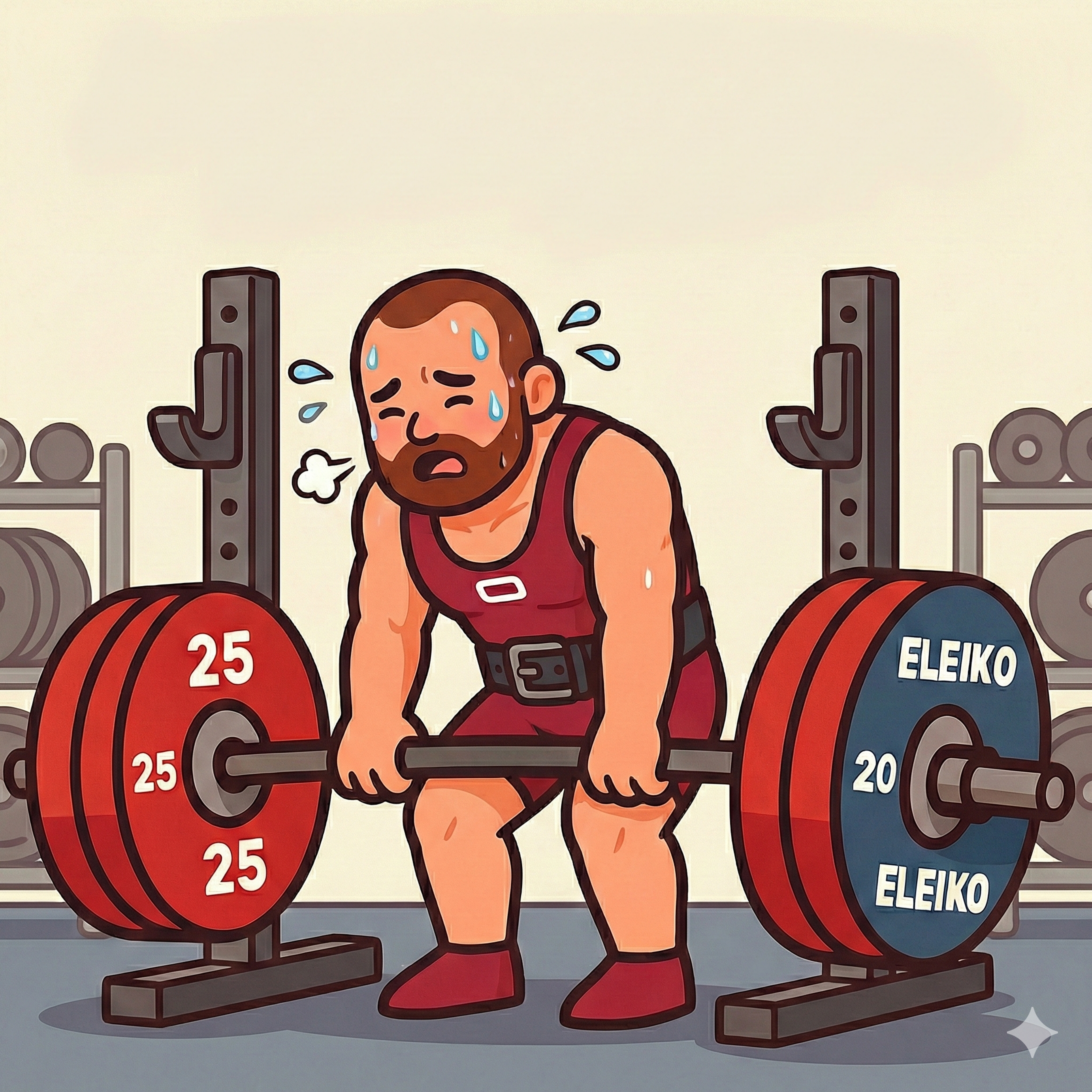
There is a pervasive myth in powerlifting that any movement lasting longer than ten seconds will instantly dissolve your muscle tissue and turn you into a marathon runner.
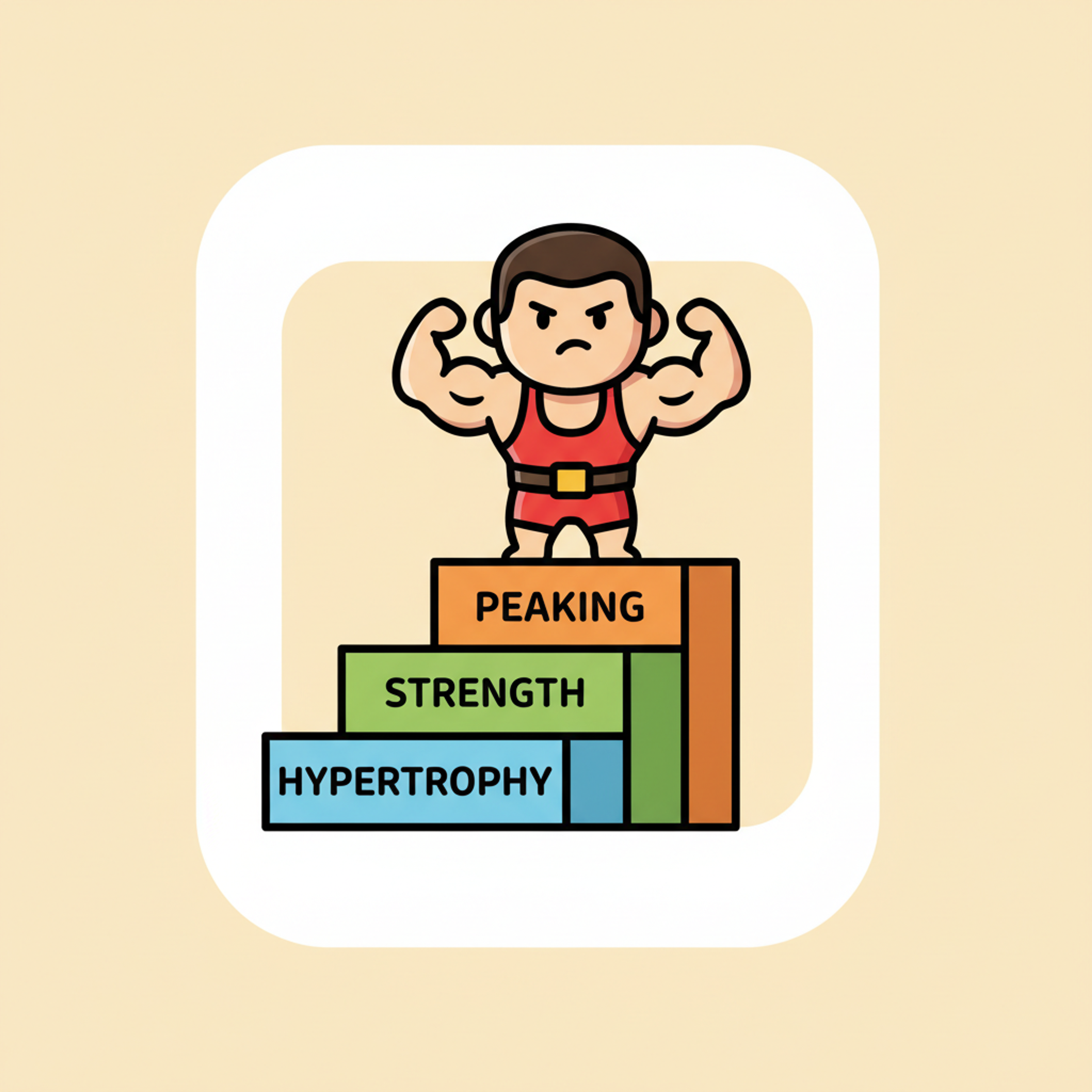
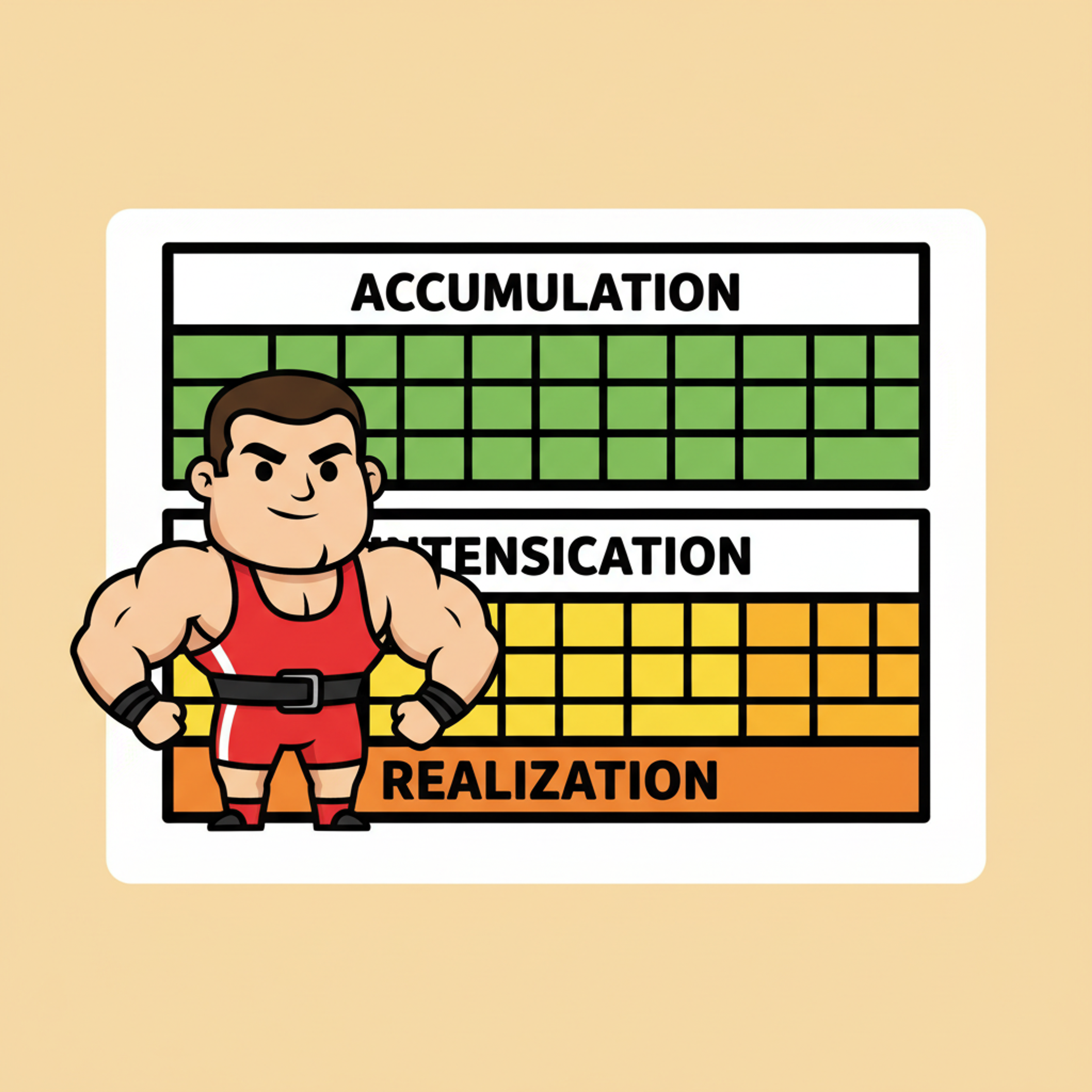
In most traditional periodizations these attributes are trained in distinct phases or blocks. Usually, a hypertrophy phase leads to a strength phase, which then leads to an absolute strength phase
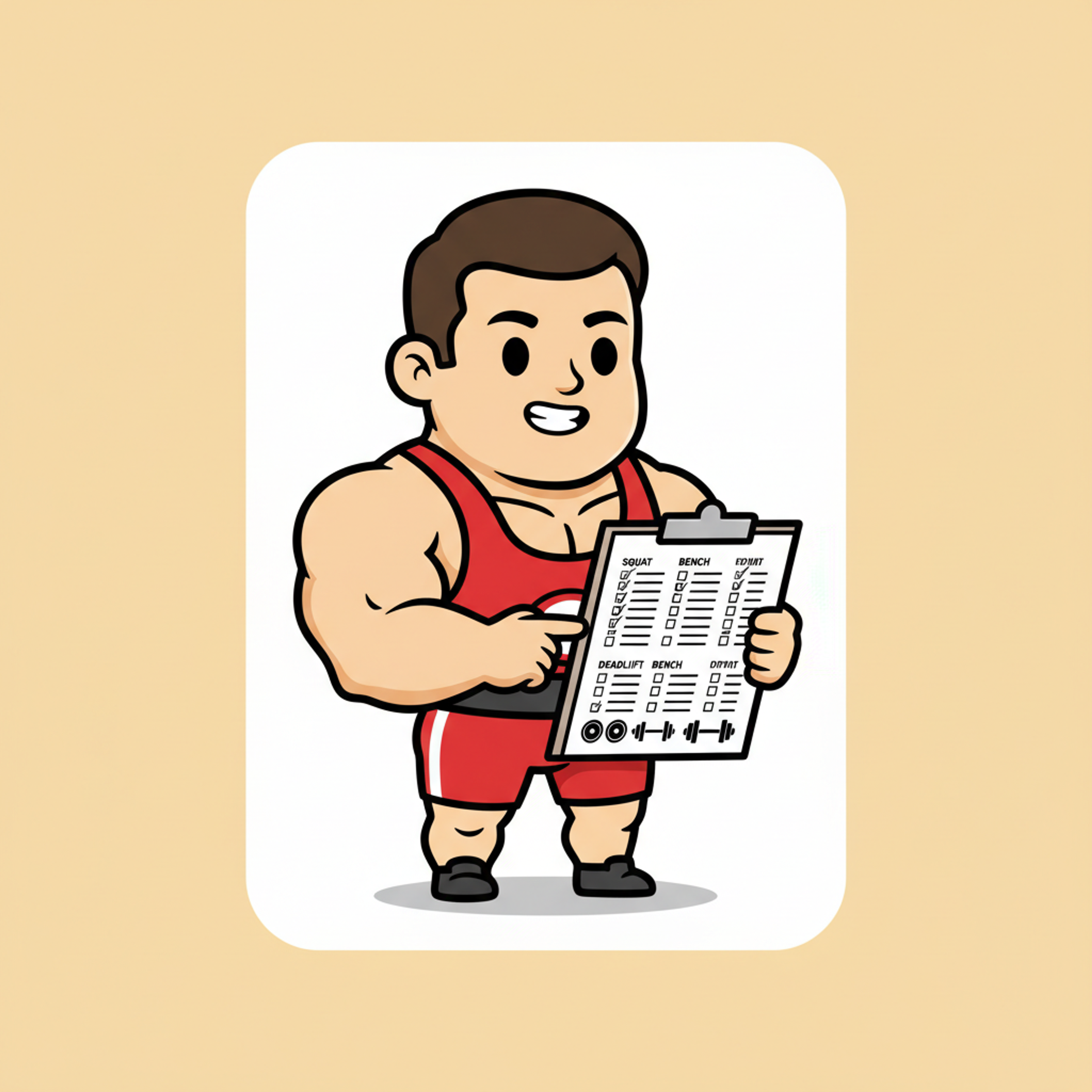
So you have decided to participate in your first powerlifting meet. You are likely excited, but also a bit nervous. In this article, we will help you prepare for the meet.